Commodity investments on a Turning Point?
Sometimes, market wisdom doesn't add up. In 2025, with platinum and palladium equities scraping historic lows, and everyone bemoaning the 'inevitable' EV revolution, that phrase echoes louder than ever. In this dispatch, we'll wander through the wild terrain of Platinum Group Metals—and their unlikely comeback—as well as swing by energy, agriculture, and precious metals, where quiet shifts might upend yesterday's storyline. Buckle up: context and contradictions ahead. The below excerpt is an outline from the latest Goehring & Rozencwajg Market commentary - in my view one of the best sources in the commodity space. 1. Platinum Group Metals: Bargains Nobody Wants (Yet)The Platinum Group Metals (PGMs) sector is experiencing a rare disconnect between market sentiment and underlying fundamentals. Despite a global PGM market valued at $41.59 billion in 2024 and projected to reach $56.61 billion by 2033, investor interest remains at record lows. Over the past three years, PGM equities have dropped nearly 80% from their peaks, echoing the skepticism seen in the late 1990s—a period that ultimately preceded massive returns for contrarian investors.Much of the negative sentiment stems from the widely held belief that the rise of electric vehicles (EVs) will erode long-term PGM demand. However, research shows that this narrative may be overstated. Internal combustion engine (ICE) vehicle sales have rebounded to nearly 90 million units annually, and forecasts suggest that even with EV market share rising, ICE and hybrid sales will remain robust through at least 2033. The Asia Pacific region, which commands over 44% of global PGM market share, continues to drive demand, especially in the automotive sector.A key insight from Goehring & Rozencwajg’s Q1 2025 commentary is the overlooked impact of hybrid vehicles on PGM demand. Unlike EVs, hybrids require catalytic converters—and due to frequent engine cycling, they often need up to an additional gram of platinum or palladium per vehicle. This incremental demand is quietly supporting the market, even as headlines focus on EV adoption. As the report notes, “Platinum remains a mechanical ideal in the hybrid and emissions regulation era.”Stricter global emissions standards are also pushing up average PGM loadings per vehicle. While the global average is about 5 grams, regions like Europe and Japan require as much as 7–9 grams per car. Upcoming regulations in China and India are set to increase their requirements as well, further strengthening the Platinum Demand Forecast.The automotive sector remains the primary driver of PGM demand, accounting for roughly 65% of total use. With supply forecast to lag demand for the third consecutive year in 2025, and with significant portions of current mine supply uneconomic at today’s prices, the setup is reminiscent of past cycles where negative sentiment gave way to outsized gains. For investors willing to look beyond the current gloom, the PGM Market Trends suggest a sector poised for a potential turning point.2. Regulation Roulette: How Global Rules and Tight Supply Might Upend the PGM ScriptGlobal Emissions Regulations are rapidly rewriting the playbook for platinum group metals (PGMs). As new standards like EU7 in Europe, CN7 in China, and BS7 in India take effect, automakers face a simple reality: more platinum, palladium, and rhodium are needed per vehicle. Research shows that average PGM loadings in Europe and Japan already sit at 7–9 grams per car, while China and India—long laggards—are set to leap to 5 grams or more by mid-2025. The United States holds steady at 5 grams, but with turbocharged engines now standard in half of new vehicles, even these numbers are trending upward.This regulatory surge is not just a technicality. It is the single strongest force shaping the PGM market trajectory, as Goehring & Rozencwajg emphasize:Regulation is now the single strongest force shaping the PGM market trajectory.Stricter emissions rules mean catalytic converters must be loaded with more PGMs to meet compliance. Turbocharged and future engine designs, which burn hotter and cleaner but emit more NOx, require even higher PGM doses—sometimes two grams extra per vehicle. The result? Demand for platinum, palladium, and rhodium is climbing, even as electric vehicle adoption remains slower than many predicted.Yet, the supply side tells a starkly different story. The Platinum Demand Forecast points to a third consecutive year of deficit, with shortfalls of 750,000 ounces in 2023, 680,000 ounces in 2024, and a projected 500,000 ounces in 2025. Above-ground inventories, which once cushioned the market, have dropped from 5 million ounces in 2022 to an estimated 3 million by the end of 2025—a 40% decline. Meanwhile, 40% of global mine supply is uneconomic at current PGM basket prices of $1,200 per ounce, squeezing margins for giants like Anglo American Platinum and Sibanye-Stillwater.Regulatory wild cards continue to emerge. New US rules on alcohol detection systems and the proliferation of turbocharged engines further distort demand trends, making the Palladium Market Balance and Rhodium Price Trends increasingly difficult to forecast. While palladium is finally moving toward market balance after 13 years of deficit, platinum and rhodium remain in the grip of persistent shortages.In this high-stakes environment, the intersection of tightening supply, evaporating inventories, and relentless regulatory pressure is setting the stage for a pivotal shift in the PGM script—one that few investors or automakers can afford to ignore.3. Unexpected Bedfellows: What Commodities, Gold, and Weather Surprises Reveal About Timing and OpportunityThe first quarter of 2025 has brought a new set of surprises to the global commodities landscape, challenging conventional wisdom and highlighting the importance of timing and adaptability. The Precious Metals Market stands out, with gold and silver prices soaring 19% as physical demand surged—yet, paradoxically, investor enthusiasm for gold mining equities remained muted. The GDX and SIL ETFs rose 35% and 25% respectively, but ETF flows into gold stocks stayed soft, suggesting that the rally in precious metals may still be in its early innings.This divergence between physical accumulation and equity investment is not unique to gold. It echoes across the broader resource sector, where market sentiment often lags underlying fundamentals. As Goehring & Rozencwajg note, “Commodities often feel dead just before their next run.” This is particularly evident in the Palladium Market Balance and platinum group metals, where physical demand remains robust, but equities are priced for pessimism.Energy markets are also at a crossroads. The likely peak in US shale oil production in 2024 marks a potential turning point, reminiscent of previous supply peaks that preceded historic bull cycles. The gold-to-oil ratio, now at 56 barrels per ounce against a long-term median of 17, flashes a strong signal that crude oil may be undervalued. OECD petroleum inventories are near multi-decade lows, reinforcing the view that the sector could be on the cusp of a significant revaluation.Meanwhile, copper’s narrative has shifted dramatically. A sharp 10% drop in Chinese demand during 2024 swung the global market from deficit to surplus, only for demand to rebound by 25% in Q1 2025. This volatility underscores the growing influence of the Asia Pacific Market and the unpredictability of industrial commodity cycles.Agriculture, too, faces its own inflection point. Grain ending stocks have fallen 30% after yield downgrades, and weather anomalies threaten to repeat the devastating patterns of the 1930s Dust Bowl. The risks are amplified by tightening supply and the critical role of climate, making the sector highly sensitive to further shocks.In sum, the 2025 natural resource markets are defined by unexpected bedfellows and shifting narratives. From the resilience of the Precious Metals Market and the impact of Clean Energy Technologies on PGMs, to the delicate Palladium Market Balance and the pivotal role of the Asia Pacific Market, the lesson is clear: opportunity often emerges where consensus is weakest, and timing is rarely straightforward.TL;DR: PGMs may be at a generational low point, with supply constraints and hybrid-driven demand brewing a potential bull run that’s easy to miss. Meanwhile, energy, agriculture, gold, and copper remind us that the most important market pivots rarely announce themselves with fanfare.
Redmarlin Invest
Jun 11, 2025 • 7 Minutes Read


May 25, 2025
The Trade War is eating through the economy
The US-China trade war isn’t just politics: it’s changing our everyday experience in ways both subtle and spectacular. Buckle up for a ride through tariffs, television drama-level negotiations, and why even the Fourth of July might look different.When Trade Policy Hits the Plumbing: How Tariffs Leak Into Real LifeTariffs Aren’t Just Numbers—They’re Your Leaky FaucetLet’s get real for a second. Tariffs sound like something that only matters to economists or politicians. But honestly? They decide whether your plumber can finish your bathroom this month—or next year.Once ago construction and real estate have become the unexpected battleground for this economic drama. It’s not just about GDP. It’s about whether you can get a pipe, a piece of drywall, or even a doorknob when you need it - just remember the covid-situation.The Supply Chain Domino EffectDay one: the plumber shows up, ready to work.Day two: the electrician is scheduled, but—wait—the plumber’s still waiting on pipes.Day three: drywall guy is on standby, but can’t start until the plumbing’s done.Why the holdup? The pipes were supposed to come from China. Now, they’re stuck in a warehouse, or maybe not even shipped at all. One missing shipment, and the whole project stalls. Consider this situation in just-in-time environments like in the automotive industry.Haunted by Timber—And Empty ShelvesOne can look back and remember 2020 and 2021. Timber prices went through the roof.TradingEconomics: Lumber pricesHome Depot shelves were empty. Developers were scrambling, and projects just… stopped. The economy was hit hard.Developers who are now extra cautious. Some are even postponing projects. Why risk it, when the next shortage could be just around the corner?Construction: The Pulse of the EconomyThere’s a saying I’ve heard—maybe you have too"When construction is good, the economy is fine."It’s true. Construction is a massive employer in the US. But it’s also incredibly sensitive to supply disruptions. If one piece of the puzzle is missing, the whole thing falls apart. As stated recently by Louis Vincent Gave an outlined specialist of Global markets:It’s Not Just Houses—It’s Holidays, TooNo fireworks for the 4th of July?No Halloween decorations?No toys for Christmas?Sounds dramatic, but it’s real. So much of what we celebrate, decorate, or gift comes from overseas—often China. If supply chains keep spluttering, we all feel it. Not just in our wallets, but in our daily lives.The Bigger Picture on China’s NumbersChina’s trade surplus at nearly $90 billion a month now. Five years ago, it was about $20 billion.TradingEconomics: China Trade Surplus,17% of China’s exports go to the US. Even if that surplus drops to $60 billion, China keeps humming along.So, while we’re sweating over missing pipes and empty shelves, China’s economy barely blinks. That’s a tough pill to swallow.Picking Sides in the Playground: The Real Global Game of TelephoneTrade Wars: Forced Choices and Shifting RulesLet’s be honest—trade wars are about trust. When the US tells countries, “Pick a side,” it’s like being back on the playground. But who wants to play with the kid who keeps changing the rules halfway through the game? That’s what it feels like for a lot of world leaders right now.Trade wars force countries to choose sides. But the rules? They keep shifting. One day it’s tariffs, the next it’s a new deal, then—wait, never mind, the deal’s off.Trump’s approach creates skepticism. Foreign leaders are left wondering: will any agreement actually stick?Who’s Really on Team USA as per Louise Vincent Gave?Here’s a number that’s hard to ignore: out of 170 countries, 120 do more trade with China than with anyone else. That’s not a typo (!). Only Mexico and Canada trade more with the US. So, when Washington tries to build an anti-China coalition, the odds aren’t exactly stacked in its favor.Countries like Vietnam, Indonesia, and Malaysia? Their economies lean heavily toward China.For them, picking the US over China isn’t just risky—it’s almost unthinkable.Trust Issues: Would You Make a Deal?I keep coming back to a conversation I had with a friend in private equity. He said there are two types of tough negotiators. The first, you respect—even if they’re hard on you, you want them on your side next time. The second? You walk away thinking, “Never again.” As Louis Vincent Gave bluntly put it:"If you're the president of Indonesia...do you walk away from Trump thinking 'I never want to deal with him again'?"That’s the real question. Trump’s reputation for walking away from deals, or changing terms at the last minute, makes other leaders nervous. If you’re running a country, do you risk your economy on a handshake that might not mean much tomorrow?The Global Bifurcation: It’s Not Just Black and WhiteThe world isn’t splitting neatly into US vs. China. Most countries can’t afford to alienate Beijing. The US’s influence is shrinking, not because leaders don’t like America, but because their economies depend on China. It’s a tough spot.Imagine being forced to pick a team, knowing your best customer is on the other side.That’s the reality for most of the world right now.So, as trade wars heat up, the global game of telephone gets messier. The US can ask countries to pick sides, but for most, the answer is already written in the trade numbers.War Stories From Economics and the Real BattlefieldLet’s be honest. Winning a trade war—or any war, really—isn’t just about who has the best strategy or the sharpest policy. It’s about resilience. It’s about appetite. If the people aren’t behind you, you’re just not going to win. France fought wars in places like Algeria and China, and most people back home didn’t care much. The result? They lost. Simple as that.The United States has its own history here. Vietnam. Iraq. Afghanistan. All lost, not because the military wasn’t capable, but because the public lost interest. The lesson is clear: "If there's no appetite for the war, you end up not winning it." That’s not just true for boots on the ground. It’s true for economic battles too.Trade Wars: The Real BattlefieldRight now, the so-called “trade war” with China is a perfect example. Sure, politicians talk tough. But let’s look at the facts stated above. China’s trade surplus is around $90 billion a month. Seventeen percent of their exports go straight to American consumers. If tariffs go up, prices rise at Walmart and Home Depot. And let’s be real—Americans don’t want to pay more for everyday stuff - and how are the big companies like Walmart reacting. The appetite for economic pain? It’s just not there.So, what happens when you try to fight a war—economic or otherwise—without public support? History says you lose. Every time. We can talk about policy until we’re blue in the face, but if the majority of Americans aren’t willing to make sacrifices, the outcome is already written.Hot War With China? Not LikelyIf even the world’s top warriors are questioning American dominance, maybe it’s time to rethink what winning looks like. Maybe it’s not about out-muscling the other side. Maybe it’s about outlasting them. Or maybe, it’s about knowing when the public just isn’t hungry for another fight.In the end, resilience and appetite decide the outcome—on the battlefield and in the boardroom. If the people aren’t willing to pay the price, no amount of policy or firepower will get you across the finish line.TL;DR: The US-China trade war reaches far beyond political posturing—affecting economies, global supply chains, and even our family holidays. The side picking isn’t as clear-cut as the headlines say, and resilience may matter more than raw power.Credits to Louis Vincent Gave
7 Minutes Read

May 25, 2025
Uranium on the rise again?
Uranium isn’t just a commodity. It’s a mood swing. One month, it’s the darling of the ressource world. The next, it’s the villain. The past year has been a wild ride—charts flipping, headlines screaming, and, for a whole week, not a single pound of uranium changed hands anywhere in the supply chain…TradingEconomics: Uranium (25.05.25) USD/lbsThat’s not just rare. It’s almost unheard of.What causes these swings? Sometimes, it’s tariffs. Sometimes, it’s just fear. Social media, especially platform X, amplifies every tremor. One day, uranium bulls are everywhere. The next, they’re publicly capitulating, swearing off the sector. As one seasoned investor Rick Rule put it bluntly:“There’s nothing I love more than hate.”How Panic Becomes OpportunityIt’s a strange thing. When everyone else is running for the exits, a few bold investors see a gift and opportunity. They buy when the mood is darkest. They know that panic—especially online—often signals a bottom, not the end. It’s almost counterintuitive. But it works.Market collapses online can create real-world bargains.Tradingview: Ticker: URNM 23.05.25Headlines and factoids distract from the real story: contracts and supply (consider our latest post on the topic)https://substack.com/@redmarlininvest/note/c-120038677Tradingview: Sprott Physical Uranium Trust 25.05.25Spot vs. Term: The Metrics Most MissMost people obsess over the spot uranium price. But the spot market is tiny—sometimes, it barely trades at all (consider reading https://bit.ly/43LsaWz).The real action? It’s in the term market, where producers and utilities sign contracts that last a decade or more. These deals set the foundation for the whole industry, but they’re opaque. Hard to see. Harder to understand.Rick Rule points out that “most investors don’t want to do the work to reconcile cash receipts with pounds sold.” Because those who dig into the contracts, who connect the dots between supply, demand, and policy, often find themselves ahead of the crowd.US uranium production: less than 1 million pounds per year.US demand: about 50 million pounds per year.Potential new demand? Up to 200 million pounds, if policy shifts.Ignore the noise. Sometimes, the real opportunity hides in the chaos.Regulation, Generation, and the Clean Energy Shift: New Obstacles and Unlikely Allies1. Regulatory Reform: The Real BottleneckEveryone talks about uranium prices. But is that really what’s holding back the next boom? Not quite. The real challenge is regulatory gridlock. Even with rumors swirling about an executive order that could quadruple U.S. uranium demand—from 50 to 200 million pounds a year—the supply side can’t just snap its fingers. Projects get stuck in a maze of federal, state, and local approvals. Sometimes, proposals just echo in bureaucratic chambers for a decade or more.That’s not just frustration talking. It’s a plea for common sense. Without regulatory reform, even a $150/lb uranium price is just hype. Most insiders agree: $75/lb is enough to get U.S. production rolling—if the process isn’t bogged down.2. Generational Shifts: New Faces, Old LessonsThere’s a new wave of investors, and they’re not shy about nuclear’s clean energy credentials. Scroll through social media and you’ll see it—young people championing uranium as the future. They get the math: one pound of uranium can power cities, not just homes. But there’s a catch. Volatility. Many are learning, sometimes the hard way, that narratives don’t always match reality. The fear and greed cycle is real. Some jump in too deep, then panic at the first sign of a downturn.Lesson: Right-sizing a portfolio matters more than chasing the latest hype.3. State-by-State Prospects: A, B, and Changing AttitudesWhere will new supply come from? Texas and Wyoming are the “A states”—they’ve seen uranium’s economic benefits and are open for business. Utah? It’s a “B state” for now, but things are shifting. Even on Navajo land, long a regulatory dead zone, there’s change brewing Rick Rule put it. Sometimes, progress comes from the most unexpected places.Conclusion: Find Your Edge in the Unlikely, the Overlooked, and the UncomfortableResource investing, especially in uranium, rarely rewards those who follow the crowd. He or she who stands out does so by venturing where few bother—doing the tedious research, striking up odd conversations at conferences, and questioning consensus when it feels risky. It’s not glamorous. Sometimes, it’s downright uncomfortable.Cycles in this sector don’t just repeat themselves. They evolve. They test patience. The prepared investor—one who’s done the homework and built relationships outside the obvious venues—tends to find opportunity where others see only noise. That’s perspective. It’s not about ignoring risk, but about focusing on what truly matters over the long haul.Sometimes, a lesson about uranium stocks is really a lesson about people. About persistence. About not losing your nerve on a bad day. The market can swing wildly—one fund’s redemption can send microcap uranium stocks tumbling, or soaring, by 5-7%. But does that change the underlying thesis? Rarely. The real edge comes from understanding when a blip is just a blip, and when it signals something deeper.Effort, curiosity, and perspective matter more than hype or fear. People should learn from past cycles, but don’t expect history to repeat exactly. They accept that mistakes happen—even the most “applied” investor admits to them. What sets them apart is the willingness to keep showing up, to keep asking questions, and to keep their nerve when others lose theirs.In the end, finding your edge is about embracing the unlikely, the overlooked, and the uncomfortable. That’s where the real lessons—and the real opportunities—hide.TL;DR: Making sense of uranium investing means more than chasing headlines. Find your edge by working hard, staying curious, and learning from those who’ve weathered multiple cycles. Vancouver isn’t just a backdrop—it’s the beating heart of a resource revolution.
5 Minutes Read
May 18, 2025
Is a Gold Bull Market still validated?
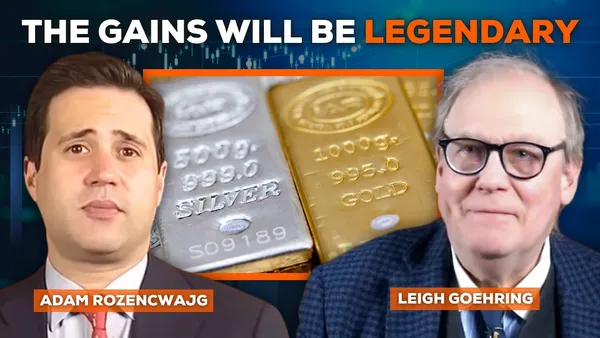
The current state of the markets remains fragile. Hence having an adapted and flexible strategy to survive and strive is crucial. A recent interview on Natural Resource Market Insights with Goehring & Rozencwajg exposes that having an eye on tangible hard assets may offer an edge during cycle shifts (and it seems we are in one currently). Let's have a look at the principles and commonalities at play Gold and the Anatomy of a Monetary ‘Plot Twist’When Commodities Signal More Than Just PriceCommodities bull runs rarely happen in a vacuum. They tend to show up alongside big, sometimes messy, shifts in monetary policy. It’s almost like the market is dropping hints, but most people don’t catch on until the twist is already in motion. Investigating in the starved industry of the mining industry one can't ignore that the CAPEX is still not improving during recent years. Source: https://www.crescat.net/mining-the-bedrock-of-innovation-and-industrial-revival/Gold, in particular, has a knack for playing the part of the plot twist everyone should’ve seen coming.Gold: The Canary in the Coal MineOver the last 12 to 18 months, gold has made strong, steady gains. Not just in fits and starts, but with a kind of regularity that feels deliberate.Gold has been the canary in the coal mine, so to speak... The strong outperformance of gold over the last 12 to 18 months, I think has preaged this monetary regime change. (Adam Rozencwaijg)That’s not just a clever metaphor. Gold’s role as a leading indicator during global uncertainty is well documented. When gold outperforms, it’s often a sign that something deeper is shifting beneath the surface—something systemic.Shifting the Spotlight: From BRICS to the USFor a while, all eyes were on the BRICS nations—Brazil, Russia, India, China. There was plenty of talk about de-dollarization, about new currencies and alternative systems. But lately, the winds have shifted.Instead of waiting for external actors to force a change, recent events suggest the next big monetary regime shift might actually start in the US. Not from the outside in, but from the inside out.I think the change in the monetary regime is going to actually come from the US itself. It’s going to be a redollarization, not a dedollarization. (Adam Rozencwaijg)Source: Tradingview, USD/EUR as per 18.05.25Considering the recent decline and ongoing weakness of the US-Dollar against all other currencies - That’s a twist few saw coming. The term “redollarization” is starting to pop up, flipping the usual narrative on its head. Monetary and Trade: Two Sides of the Same CoinIt’s easy to separate monetary policy from trade policy. But, as any first-year accounting student might point out, there are always two sides to every ledger. Money doesn’t just move around for no reason. It’s exchanged for goods, services, sometimes even just for a sense of stability.So, when monetary regimes shift, trade regimes tend to follow. Or maybe it’s the other way around. Hard to say, really. What’s clear is that both are shifting at the same time.April: Major US tariff announcements made headlines, signaling a possible inflection point.Gold prices: Hitting new highs in nominal terms, again and again.Historic echoes: Looking back 150 years, commodity cycles often start with these kinds of systemic changes.Gold’s Outperformance: More Than Just NumbersSome might chalk up gold’s recent run to simple economics—fear, inflation, maybe just speculation. But that misses the bigger picture. Gold’s outperformance isn’t just an economic signal. It’s a symptom of deeper stress in the system.Commodities bull runs often coincide with big shifts in monetary policy.Gold’s performance sometimes feels like the plot twist everyone should’ve seen coming.Recent trends suggest the US (not just BRICS) might spark the next monetary shift.Gold’s outperformance: not just an economic signal but a symptom of deeper system stress.It’s easy to miss the obvious when everyone’s focused on the usual suspects. But sometimes, the real action is happening right under their noses. Consider reading recent posts as https://redmarlin.substack.com/p/navigating-the-gold-market-insights?r=ca453 or https://redmarlin.substack.com/p/gold-mining-stocks-set-for-a-run?r=ca453 on Gold and gold mining as gold, quietly making new highs, is telling a story that’s still unfolding.Silver: The Perennial Laggard That Loves a Late EntranceWhy Silver Always Seems to Be Running LateSilver’s reputation as the “other” precious metal isn’t just about price. It’s about timing. While gold grabs headlines, silver is usually left behind—at least at first. Some investors get frustrated, wondering what’s wrong with silver. But, as history shows, this lagging behavior is not a flaw. It’s the pattern."Silver's underperformance that we're seeing today is a necessary ingredient of letting us know that the gold bull market is alive and well."(Lee Goehring)Since gold became freely traded in 1971, every major gold bull run has featured silver dragging its feet. It’s almost like silver is waiting for a cue. Then, just when everyone’s given up, it sprints ahead—sometimes overshooting, sometimes causing chaos.Not a Bug, But a FeatureSilver’s underperformance during gold rallies is a recurring theme. It’s not a market malfunction. It’s a signal that things are proceeding as usual.Gold rallies. Silver lags. Then, suddenly, silver erupts in a furious catch-up rally. It’s happened in the 1970s, in 1980, in 2010–11, and again in 2020.When silver finally takes off, it’s often a warning sign for gold investors. The party might be ending soon.There’s a common misconception that silver must lead for a gold bull market to be real. That’s just not true. The data says otherwise."Every bull market that gold has had since [1971], it’s been a very obvious characteristic that has reappeared... And that is silver has lagged the gold bull market."(Lee Goehring)Numbers Don’t Lie: The Gold/Silver RatioLet’s look at the actual numbers. The gold/silver ratio—how many ounces of silver it takes to buy one ounce of gold—currently sits above 100. That’s high. Historically, during silver’s catch-up phases, the ratio has collapsed to around 14:1. For context, Alexander Hamilton set the U.S. Mint standard at 14:1 back in 1792. Wild, right?Silver price: Dropped from $35 to under $30 after current “Liberation Day,” now rebounding to around $33.Key years for silver’s wild rallies: 1971, 1977-80, 2002-2011, and summer 2020.History Doesn’t Repeat, But It RhymesWhy does silver always seem to lag, then explode? Maybe it’s just in the metal’s DNA. Or maybe it’s the market’s way of keeping everyone on their toes. Think about the Hunt Brothers in 1980—trying to corner the silver market. Or the Reddit crowd in 2021, attempting a “silver squeeze” like they did with GameStop. These attempts pop up almost like clockwork, especially when gold is running hot.1979-80: The Hunt Brothers nearly pushed the gold/silver ratio back to 14:1.2021: Reddit’s silver squeeze fizzled, but the urge to try again never really goes away.It’s almost predictable. Silver lags, investors get impatient, then someone tries to force a squeeze. Sometimes it works, sometimes it doesn’t. But the pattern keeps repeating.When Silver Runs, Gold’s Time Is Up?Here’s the twist: When silver finally stages its dramatic rally, it’s often a signal that gold’s bull run is peaking. It happened in 1973, in 1980, in 2011, and again in 2020. Silver’s furious catch-up isn’t just exciting—it’s a warning. Savvy investors know to watch for it.Silver’s lag is normal. Its rally is the real event.When silver outperforms, gold might be ready for a pause—or even a correction.So, is silver broken? Not at all. It’s just following its own script, as it always has. For further investigation on that topic please visit https://redmarlin.substack.com/p/insights-into-gold-silver-and-the?r=ca453.Uranium: Where Opaqueness and Opportunity CollideUranium pricing is a strange mix of theater and mystery novel. Anyone who’s tried to follow it knows the feeling: spot prices jump and dip, headlines blare, and yet the real action happens out of sight. Most investors fixate on those spot prices, watching them like hawks. But here’s the kicker—spot trades make up just 10–20% of the annual uranium volume. The rest? Locked away in long-term contracts, buried under non-disclosure agreements, and rarely discussed in public.The Surface Is Noisy, the Depths Are QuietIt’s easy to see why uranium feels so opaque. The futures market, which in theory should offer clues, is basically non-functional. There’s no reliable way to hedge or speculate. So, what really drives uranium’s value? Is it just a guessing game, or is there a method beneath the madness?Despite all the secrecy, there’s a strange consistency to the market. Even though spot and term prices are set in very different ways, they tend to move together. When the spot price rises, term prices usually follow—not instantly, but eventually. It’s almost like watching two dancers, one leading and the other following a beat or two behind."People have always lamented the uranium industry and sector because it's more opaque than other commodity sectors. And there’s a lot of truth to that. But just because something's more opaque doesn't mean that it lacks its own fundamentals and that it has its own trends and things like that."Why Do Investors Obsess Over Spot Prices?It’s a fair question. If spot prices are just a sliver of the market, why do they get all the attention? The answer is part psychology, part practicality. Spot prices are public. They’re easy to track, update daily, and make for dramatic charts. Term contracts, on the other hand, are private. Details are hidden, sometimes for years. It’s like trying to judge a play by peeking through the curtain.But here’s the catch: even with all the noise, spot prices do offer clues. They’re not perfect, but they’re often the first sign that something’s changing. When the spot price comes off a historic low—as it has recently—it’s a signal. Not a guarantee, but a hint that the tide might be turning.Looking Beneath the SurfaceFor those willing to dig deeper, the uranium market rewards patience and curiosity. The real trends aren’t found in daily price swings or sensational headlines. They’re hidden in the slow, steady movement of term prices, in the contracts signed behind closed doors, and in the supply-demand fundamentals that don’t make the news.Opacity doesn’t mean chaos. It just means that finding the truth takes more work. Fundamentals still matter—production costs, utility demand, geopolitical shifts. The market may be shadowy, but it’s not random.Conclusion: Embracing the UnknownIn the end, uranium stands as a reminder that not all markets are created equal. Some, like gold or oil, are open books. Others, like uranium, are more like puzzles with missing pieces. But that’s where opportunity lives—at the intersection of what’s seen and what’s hidden. For those who look beyond the obvious, who aren’t afraid of a little mystery, uranium’s opaqueness isn’t a barrier. It’s an invitation.TL;DR: The real action in commodities often happens off-script: monetary regime shifts drive gold, silver lags until it explodes, and uranium’s price dance remains mysterious. Savvy investors pay attention to the quirks behind the numbers.
9 Minutes Read

May 5, 2025
Embrace market swings and look outside of known borders
In the whirlwind of today's ever-shifting economic landscape, I find solace in Rudyard Kipling’s words: 'Keep your head when all about you are losing theirs.' This mantra resonates deeply as I dive into the significant themes explored in the actual article. Through tales of financial markets' dance with uncertainty and political maneuvers shaping our economic realities, I aim to uncover insights that may empower us to face these challenges head-on.Understanding Recent Massive Market UncertaintyMarket uncertainty can feel overwhelming. It’s like walking through a fog where you can’t see what’s ahead. One of the best tools to gauge this uncertainty is the VIX index, often referred to as the "fear index." As of April 5, 2025, the VIX stood at 45 (as per 05.05. at 23). This high number indicates significant fear in the market. But what does that mean for us as investors?1. The VIX Index: A Fear IndicatorThe VIX measures market volatility. When it’s high, investors are anxious. They worry about potential downturns. This anxiety can lead to rapid market movements. So, how do we respond to this fear? Understanding the VIX helps us make informed decisions.2. Value vs. Growth StocksDuring uncertain times, the performance of value stocks often stands out. Historically, they have outperformed growth stocks in high-uncertainty periods. For instance, the World Value Index is down 4% year-to-date, while the Growth Index has dropped a staggering 16%. This trend suggests that value investing might be the safer bet when the market is volatile.3. Implications for Investment StrategiesSo, what should we do with our investment strategies during these turbulent times? It’s crucial to adapt. We must consider shifting our focus towards value stocks preferable over growth stocks. Recent setbacks in the MAG7 and other tech-savy (growth) stocks indicating a shift in sentiment. A quick guide on market volatility could be https://redmarlin.substack.com/p/navigating-market-volatility-insightsIn summary, understanding the VIX and the comparative performance of value versus growth stocks can guide our investment strategies. The key is to remain flexible and responsive to market conditions. By doing so, we can navigate through uncertainty with greater confidence.Political Implications: Trump and TariffsWhen we think about tariffs, we often think about trade wars and economic fallout. But what about the political implications? Let’s dive into the complexities of Trump's tariff actions.1. Analysis of Trump's Tariff ActionsTrump's approach to tariffs has been anything but conventional. He utilized the International Emergency Economic Powers Act to justify his decisions. This act, originally designed for national emergencies, raises a crucial question: Are we really in an emergency? Many experts, including Professor Jeffrey Sachs, argue that this strategy may overstep constitutional boundaries.2. Constitutional DebateThe use of the International Emergency Economic Powers Act has sparked a heated debate. Is it constitutional to impose tariffs without a clear emergency? Sachs emphasizes,“Economic policies must respect the legal frameworks we have in place.”This statement resonates deeply in today’s political climate.3. Effects on Global Trading RelationshipsTrump's tariffs have not only affected the U.S. economy but have also reshaped global trading relationships. Countries are realigning their trade strategies in response to these tariffs. This shift creates a ripple effect, impacting markets worldwide. It’s a complex relationship between tariffs and market volatility. Investors must stay informed. After all, understanding these dynamics can be the difference between profit and loss.As we analyze these political actions, it becomes clear that governance and market behavior are intertwined. The implications of tariffs extend beyond borders, affecting economies globally. In a world where uncertainty reigns, staying informed is not just an option; it’s a necessity.Exploring Investment Avenues: Southeast Asia and BeyondWhen we think about investment opportunities, Southeast Asia often comes to mind. Why? Because countries like the Philippines, Indonesia, and Thailand are brimming with potential. These nations are not just emerging markets; they are vibrant economies with unique growth prospects. But how do we, as U.S. investors, tap into these opportunities?Opportunities in Southeast AsiaLet’s break it down:Philippines: Known for its young workforce and growing tech sector.Indonesia: The largest economy in Southeast Asia, rich in natural resources.Thailand: A hub for tourism and manufacturing, with a stable political climate.These countries hold treasures for discerning investors. But, there are challenges as well.Accessibility e.g. for U.S. InvestorsDirect investment avenues can be limited. This is where ETFs come into play. Exchange-Traded Funds allow us to invest in these markets without the hassle of navigating local regulations. For instance:iShares MSCI Philippines ETF (EPHE)iShares MSCI Thailand ETF (THD)iShares MSCI Indonesia ETF (EIDO)These funds provide a simple way to gain exposure to Southeast Asian markets. They are a gateway for U.S. investors looking to diversify their portfolios.Anticipated Market MovementsWhat’s next? The market is always shifting and one should embrace it. We need to stay informed about potential movements. Analysts suggest that while these markets are currently reasonably valued, there may be a desire for additional weakness in stock indices before making significant investments. Take a look at the current cash pile of 347 billion USD at Berkshire Hathaway (as of May 3rd, 25) - there is still cash on the sidelines.In conclusion, highlighting investment options in Southeast Asia points to broader global dynamics. These dynamics may favor diversification strategies for savvy investors. By examining such opportunities, reinforcing the theme of proactive, informed investment decisions is crucial - stay informed.Implications on the Commodities Market LandscapeAs we delve into the current economic climate, it's essential to recognize the role of commodity stocks amid the ongoing tech downturns. While the tech sector has seen a staggering 24% decline, commodities are displaying a surprising resilience. This divergence begs the question: why are commodities holding strong when tech stocks are faltering?Understanding Commodity DynamicsCommodities, often viewed as the backbone of the economy, include physical assets like oil, gold, and agricultural products. They tend to perform differently than tech stocks, especially in volatile markets. The Fidelity Global Commodity Fund serves as a prime example of how investors can gain exposure to this sector. This fund focuses on a diverse range of commodities, providing a buffer against the fluctuations seen in tech.Energy sector decline: 8%Tech sector decline: 24%These figures highlight the stark contrast in performance. While tech stocks are struggling, commodities are proving to be a more stable investment option (recent article on the commodity cycle to be found here (https://redmarlin.substack.com/p/is-the-next-commodity-supercycle) This brings us to an important point: understanding commodity dynamics is crucial for any investor looking to navigate these turbulent waters.The Importance of Physical Assets"Understanding physical assets is vital in today's shifting economy" - Industry ExpertThis quote resonates deeply, especially as we witness the shifting landscape of investments. Commodities can provide a hedge against inflation and economic uncertainty (consider reading https://redmarlin.substack.com/p/the-cycles-of-commodity-investment). As tech stocks continue to face challenges, we should consider the benefits of diversifying our portfolios with commodities.In conclusion, the insights into the commodities market sketch a picture of resilience amid tech losses. This resilience could guide us towards more stable positions in our investment strategies. Are we ready to embrace the potential of commodities in our portfolios? The answer may very well shape our financial futures.Gold, Bitcoin and Financial IndependenceTrends in Gold Market BehaviorGold has always been a safe haven. Its value tends to rise during economic turmoil. Why is that? It’s simple: people trust gold (https://redmarlin.substack.com/p/a-golden-journey-understanding-wealth). They see it as a reliable asset when everything else seems uncertain. For instance, during the recent global economic shifts, gold prices have shown resilience. Investors are flocking to it, seeking stability, so did Central banks during the last couple of months - mainly silently driven by China.Contrasting Stability of Gold vs. CryptocurrencyBut what are the thoughts on Bitcoin and other cryptocurrencies. They are often seen as the future of finance. But are they as stable as gold? I’d argue no. Cryptocurrencies can be wildly volatile. One day they skyrocket, and the next, they plummet. In contrast, gold has a long history of maintaining its value. As a Precious Metals Analyst once said,“Gold will always shine in times of economic chaos.”This statement rings true, especially when we look at market behaviors.Emerging Discourse on Decentralized FinanceThere’s a growing conversation around decentralized finance (DeFi). People are exploring alternatives to traditional banking systems. With banks facing regulatory pressures, many are turning to DeFi solutions. This shift is significant. It reflects a desire for financial independence and control over personal assets. As we navigate this new landscape, understanding both gold and Bitcoin becomes crucial.Gold: A historically reliable asset during uncertainties.Bitcoin: A volatile alternative with potential but also risks.DeFi: An emerging trend that could reshape our financial future.The juxtaposition of gold and Bitcoin investment choices reflects changing investor sentiment towards stability. Making informed decisions can pivot the investment landscape towards greater financial independence. In a world where uncertainty looms, knowing where to place your trust is vital.What about Argentina’s Economic RevivalArgentina is undergoing a fascinating transformation. Under the leadership of Javier Milei, the country is implementing reforms that aim to revitalize its economy. But what does this mean for investors? Let’s break it down.1. Examining Javier Milei's ReformsMilei's approach is bold. He’s focused on reducing government spending and cutting taxes. These reforms are designed to create a more business-friendly environment. But can these changes truly turn the tide for Argentina? The emphasis on fiscal responsibility is crucial. It signals to investors that the country is serious about economic stability.Let's take a look at the recent GDP development of Argentina: 2. Fiscal Improvements Attracting InvestorsOne of the most notable outcomes of these reforms is the improvement in fiscal health. Argentina has reported a budget surplus for the first time in years. This is a significant shift. Investors are starting to take notice. The country is becoming more appealing, especially when compared to other emerging markets.Reduced inflation ratesIncreased foreign direct investmentStrengthened currency stability3. Mining Opportunities in ArgentinaLet’s not overlook the mining sector. Argentina is rich in natural resources. The government is actively encouraging investment in mining. This sector presents lucrative opportunities for those willing to explore. Companies like YPF and Banco Macro are worth watching. Their low valuations could lead to substantial returns as the economy stabilizes."Countries can emerge stronger from adversity with the right strategies" - Economic CommentatorReflecting on Argentina's economic developments illustrates the potential for recovery amidst turmoil. The reforms, fiscal improvements, and mining opportunities invite investors to explore high-yield prospects in this emerging market. Are you ready to dive in?Conclusion: Charting Paths Forward in Turbulent TimesAs we wrap up our exploration of the current economic landscape, it's essential to reflect on the myriad insights we've uncovered. The world is indeed a complex place, filled with interconnected themes that shape our financial realities. From the volatility of the markets to the shifting political tides, each element plays a crucial role in our investment decisions.One of the key takeaways is the importance of adaptability. In these turbulent times, we must be willing to adjust our strategies (see also https://redmarlin.substack.com/p/financial-markets-on-the-roller-coaster). The article highlighted that during periods of uncertainty, value stocks have shown resilience. This suggests that a shift towards value investing could be beneficial. Moreover, the geopolitical landscape cannot be overlooked. The unconventional actions of political leaders, such as tariff implementations, have far-reaching consequences. Understanding these dynamics is vital for making informed investment choices. As we navigate these stormy seas, we must keep our eyes on the broader economic recovery. The potential for growth exists, but it requires strategic foresight.In revisiting the core messages of our discussions we can navigate the complexities of the market by being informed and adaptable. This journey is not just about surviving; it's about thriving. As we look ahead, let's embrace the opportunities that lie within these challenges.In conclusion one should remain vigilant and proactive. The interconnectedness of our economic environment calls for a holistic view. And sometimes it is better to be early and waiting as Charlie Munger once put it The big money is not in the buying and selling, but in the waiting.TL;DR: This post should be highlighting investment strategies amid uncertainty from geopolitical dynamics, market performance, and emerging opportunities in various sectors. A read for informed decision-making in volatile times.
10 Minutes Read

May 5, 2025
Is the next commodity supercycle unfolding - How to profit from it
This post should unravel the intricate world of natural resources, particularly as major global shifts hint at potentially lucrative investment opportunities. But why does understanding this sector feel like navigating through a dense fog?Historical Context: Lessons from Past Commodity CyclesThe commodities market has a rich history, filled with lessons that can guide investors today. Over the past 125 years, commodities have reached points of extreme undervaluation. This phenomenon is not new. It has occurred during several key historical periods: 1929, 1969, 1999, and 2020. Each of these years marked significant downturns in commodity prices, often influenced by central bank policies.Extreme Undervaluation PointsWhat does it mean when commodities are undervalued? Simply put, it indicates that their prices are lower than their intrinsic value. This situation often arises during severe bear markets. For instance, during the years mentioned, commodities experienced declines ranging from 60% to 90%. Such drastic drops can create opportunities for savvy investors.Key Historical Periods1929: The stock market collapse led to a significant exit from the gold standard.1969: Changes in monetary policy under President Johnson affected commodity prices.1999: The dot-com bubble burst, leading to a reevaluation of asset values.2020: The pandemic caused historical lows in commodity pricing.Each of these periods not only saw severe bear markets but also highlighted the cyclical nature of commodities. They often recover and outperform equities after such downturns. This pattern raises an interesting question: could we be on the verge of another recovery?Impact of Central Bank PoliciesCentral bank policies play a crucial role in shaping commodity pricing trends. Loose monetary policies can lead to excessive monetary creation, which often results in market frenzies. Lee Goehring from Goehring & Rozenzwajg noted during an actual interview,"...history is poised to repeat itself today."This statement suggests that current market conditions may mirror those of past cycles, potentially leading to a resurgence in commodity prices.As investors look to the future, they should consider these historical lessons. The past has shown that commodities can significantly outperform equities after periods of extreme undervaluation. Understanding these cycles can provide valuable insights into future market behavior.In conclusion, the historical context of commodities reveals a pattern of extreme undervaluation followed by recovery. Investors who recognize this trend may find opportunities in the current market landscape.Current Market Dynamics: Speculation vs. RealityIn today's financial landscape, the interplay between speculation and reality shapes commodity prices. Understanding this relationship is crucial for investors. Financial speculation can drive prices up or down, often disconnected from the underlying value of the commodities themselves.Understanding Financial SpeculationFinancial speculation plays a significant role in commodity pricing. It can create bubbles or lead to sharp declines. For instance, when investors flock to a particular commodity, prices can skyrocket, even if the supply and demand fundamentals don’t support such valuations. Take a look at the recent Cacoa futures chart to illustrate the huge upswing from January 2024 onwards:Tradingview: Cacoa futuresThis phenomenon raises a question: how much of the current market is driven by speculation rather than real value?Speculation can lead to extreme price volatility.Investors often react to trends rather than historical data.But it seems that investors don't look back into history too often. Many investors overlook historical trends that could inform their decisions.Impact of Contemporary TrendsContemporary trends, such as the AI craze, also affect investment perspectives. The buzz around technology can overshadow traditional sectors like natural resources. Investors may perceive tech stocks as the future, leading to a neglect of commodities. This shift can skew market valuations, making natural resource stocks appear less attractive.Current tech overvaluations impact perceptions of natural resources.Investors often adopt a short-term view, missing longer cycles.For example, the current energy stock weighting in the S&P is just 1.9%, compared to a long-term average of 14%. This stark contrast suggests that many investors are missing out on potential opportunities in the energy sector.Market Memory and Decision-MakingDifferences in market memory also play a role in decision-making among investors. Many tend to forget past market cycles, which can lead to repeated mistakes. The historical context is essential. For instance, commodities have been undervalued relative to equities during significant market downturns in the past. Recognizing these patterns could help investors make more informed choices.In summary, the current market dynamics reflect a complex interplay of speculation, contemporary trends, and historical memory. Investors need to be aware of these factors to navigate the commodities market effectively. It’s surprising how little investors reference historical commodity valuations, which could guide them toward better investment decisions.Gold and Uranium Stocks: The Treasure Trove of Today's MarketThe current landscape of gold and uranium stocks presents a unique opportunity for investors. With gold priced at around $2,900, many stocks appear undervalued compared to historical prices. This situation invites a closer look at investment strategies that can capitalize on these undervalued assets.Evaluation of Gold and Uranium StocksHistorically, commodities like gold and uranium have experienced extreme undervaluation. Notably, as pointed out that similar conditions existed in 1929, 1969, 1999, and 2020. During these times, commodities outperformed equities significantly. Today, we see echoes of these past trends.Leigh Goehring (Goehring and Rozencwajg), an expert in the field, stated,"Gold stocks on average, especially smaller companies, are as cheap as they've ever been."This sentiment underscores the potential for growth in the gold sector especially the mining stocks. The current prices suggest that many gold stocks are trading at levels reminiscent of previous market lows. Investors should consider this when evaluating their portfolios.Investment Strategies for Undervalued StocksInvestors looking to capitalize on undervalued stocks should focus on a few key strategies:Research and Analysis: Conduct thorough research on gold and uranium companies. Look for those with strong fundamentals.Diversification: Spread investments across various stocks within the gold and uranium sectors to mitigate risk.Long-term Perspective: Understand that these investments may take time to yield results, especially in a volatile market.With uranium facing supply challenges due to project delays, the demand for this resource is expected to rise again. This creates a favorable environment for investors willing to take calculated risks.Anticipated Shifts in Energy MarketsEnergy markets are also evolving. Natural gas is gaining attention as electricity demand surges. Despite a prevailing negative sentiment, the decline in US natural gas production could lead to attractive investment opportunities. Investors should keep an eye on these shifts, as these stocks gone nowhere the last 20 years plus.Tradingview: Range Ressouces (Ticker: RRC) from 1998 to 02/25In conclusion, the current market conditions for gold, natural gas and uranium stocks reveal immense potential. With historical parallels suggesting a resurgence in commodity prices, investors have a unique opportunity to explore undervalued assets. As the energy landscape shifts, staying informed will be key to navigating these promising markets.TL;DR: The natural resource investment landscape is witnessing dramatic shifts reflective of historical trends. This post analyzes the undervaluation of commodities like gold and uranium and the potential for significant future gains.Start writing your blog here...
6 Minutes Read
May 5, 2025
Navigating the Complex Landscape of Energy Investments: Why Capital Expenditure Matters
In a world increasingly dominated by discussions surrounding renewable energy and electric vehicles, it’s easy to overlook the underlying currents driving the traditional oil and gas sectors. I recently found myself reflecting on the limits of technological advances and the indisputable need for tangible resources. It was during this moment of contemplation that the necessity of capital expenditure (CapEx) in the energy sector crystallized for me, framing it as the backbone for achieving stable returns and sustainable growth in turbulent times.The Decade of Shortages: A Wake-Up Call for InvestorsIt’s hard to ignore the growing whispers about shortages in various industries. Have you noticed how capital expenditure (CapEx) cuts over the last decade have dramatically impacted key sectors? This situation is a wake-up call for investors. The energy sector, in particular, has been undercapitalized, leading to significant supply constraints.Understanding the Impacts of Prior CapEx CutsLet’s break it down. Over the past ten years, many companies have slashed their capital spending. Why? To cut costs and improve short-term profitability. But this has had serious long-term consequences. The energy market is facing critical depletion issues. Finding new oil reservoirs? It’s becoming increasingly difficult.According to Adam Rozencwaijg, managing partner at Goering and Rozencwaijg, the cyclical nature of the oil business is heavily influenced by capital flow. With a consistent lack of reinvestment, we’re left with a tight market. It's not just about geopolitical tensions; the real issue lies in the CapEx cuts.The Expected Return for Investors in Undercapitalized MarketsNow, let’s talk about returns. There’s a silver lining here for savvy investors. Adam believes that targeting undercapitalized markets, particularly in the energy sector, could yield extraordinary returns. He states,“We expect an unbelievable return for investors looking at this space.”Imagine projecting a 20% return for those willing to invest in revitalizing these industries. It’s not just a dream; it’s a real possibility. The current landscape suggests that uninvested or undervalued assets could be key opportunities. Investors who can identify these assets may find themselves in a lucrative position.Identifying the Ongoing Shortages in Primary ResourcesSo, what are these ongoing shortages? The energy sector is the most affected, but it’s not alone. We see shortages in various primary resources, including oil and natural gas. The U.S. Strategic Petroleum Reserve has dropped significantly, leaving us more vulnerable to supply disruptions.As the demand for energy continues to rise, especially from countries like India and those in Southeast Asia, the pressure on our resources will only increase. The Permian Basin, once a beacon of hope for U.S. oil production, is showing signs of slowing growth. This raises questions: How will we balance the global oil market? What happens when OPEC regains market power?To visualize these trends, let’s look at the investment return projections over the last decade compared to current trends:In summary, the landscape is shifting. Investment strategies should focus on recapitalization of industries, particularly oil and gas. The need for action is urgent. Investors who can adapt to these changes stand to benefit immensely from the upcoming opportunities.CapEx as a Key Indicator of Market StabilityWhen we talk about the oil market, one term that keeps popping up is capital expenditure, or CapEx. Understanding how undercapitalization affects production rates is crucial. It’s not just a financial term; it’s a lifeline for the industry. Over the past decade, the energy sector has seen drastic cuts in CapEx. This undercapitalization is influencing production rates significantly. But how?How Undercapitalization is Influencing Production RatesImagine a tree that hasn’t been watered. Over time, it wilts and produces less fruit. The same principle applies to oil production. With less investment in exploration and development, we see declining production levels. The data is startling. In the past ten years, we’ve witnessed a significant drop in the percentage of S&P stocks comprised of oil. From 20% to just 1.9%! That’s a dramatic shift, signaling a market in distress.As Adam pointed out, “The oil business is very cyclical, and that’s where the capital cycle plays the biggest role.” When companies cut back on spending, they can’t discover or develop new oil fields. This leads to supply constraints. The result? Higher prices and potential shortages. It’s a cycle that feeds on itself. Less investment leads to lower production, which leads to higher prices, which leads to more reluctance to invest. It’s a vicious cycle.The Capital Cycle and Oil Supply MovementsThe capital cycle is intricately tied to oil supply movements. When companies invest heavily, they can increase production. Conversely, when they pull back, supply stagnates. The industry is currently facing critical depletion issues due to a consistent lack of reinvestment. As Adam notes, “Finding new, profitable oil reservoirs has become increasingly difficult.”This situation is compounded by geopolitical tensions. While CapEx issues are the primary driving force behind the current tightness in the oil market, geopolitical factors cannot be ignored. They create uncertainties that can deter investments. For instance, the dwindling U.S. Strategic Petroleum Reserve (SPR) has fallen from about 750 million barrels to 350 million. This reduction has left the country more vulnerable to supply disruptions than it has been in the last two decades. Are we prepared for that risk?Geopolitical Tensions and Their Effects on CapExGeopolitical tensions can have a profound effect on CapEx. When countries face instability or conflict, companies become hesitant to invest. This hesitation can lead to a significant slowdown in oil supply. The relationship between geopolitics and CapEx is complex. It’s not just about oil prices; it’s about national security, economic stability, and energy independence.As we analyze the cyclical nature of oil investments, we notice that CapEx serves as a key indicator of market direction. Investors need to be aware of these dynamics. Understanding how undercapitalization, the capital cycle, and geopolitical tensions interact can provide valuable insights. Are we ready to tackle the challenges ahead?In summary, the oil market is in a precarious position. The undercapitalization of the industry, combined with geopolitical tensions, poses significant challenges. As we look to the future, it’s clear that understanding these factors will be crucial for forecasting trends and making informed investment decisions.The Future of Oil: Geopolitics Meets Resource ManagementThe oil market is a complex web of interrelated factors. One of the most significant is the role of geopolitical tensions. These tensions can cause oil prices to fluctuate unpredictably. For instance, ongoing conflicts in the Middle East impact nearly 48% of the world's oil supply. When tensions rise, so do prices. It's a cycle that we must understand to navigate future challenges.Geopolitical Tensions and Oil PricesGeopolitical events can have immediate effects on oil prices. When conflicts arise, the supply chain becomes strained. Countries that rely heavily on oil imports may find themselves in precarious positions. The unpredictability of these tensions raises an important question: how can we prepare for potential price spikes?Invest in strategic reserves: Countries need to maintain a buffer against supply disruptions.Diversify energy sources: Reducing reliance on oil can help mitigate risks associated with geopolitical tensions.Stay informed: Understanding global events can help businesses and consumers make informed decisions about oil consumption.As Adam noted, "We are more vulnerable today to disruptions than we have been at any time in the past twenty years." This vulnerability is partly due to the recent reduction of the U.S. strategic petroleum reserve by 50%. Drawing down reserves has left countries exposed, raising questions about future stability.Strategies for Coping with Oil Price SpikesTo cope with potential oil price spikes, we must adopt proactive strategies. Here are a few approaches to consider:Monitor global events: Keeping an eye on geopolitical developments can help us anticipate price changes.Develop alternative energy sources: Investing in renewables can reduce dependence on oil.Encourage energy efficiency: Promoting energy-saving practices can lessen the impact of price spikes.By implementing these strategies, we can better navigate the uncertain waters of the oil market. It's essential to understand that while geopolitical tensions play a significant role, they are not the only factor influencing prices.The Importance of Strategic Petroleum ReservesStrategic petroleum reserves are vital for national security and economic stability. They serve as a safety net during times of crisis. As we've seen, the reduction of reserves can lead to increased vulnerability. Countries must prioritize maintaining and replenishing these reserves to ensure stability in the face of geopolitical uncertainties.Moreover, the energy industry has faced undercapitalization over the past decade. This underinvestment poses risks to supply and can lead to shortages. Rosenzweig suggests that recapitalizing the industry is crucial. By elevating share prices, we can attract investment back into the market. This revitalization is essential for addressing the looming shortages projected in the coming years.ConclusionIn summary, understanding the interplay between geopolitical tensions and oil prices is crucial for navigating the future of the oil market. As we face increasing vulnerabilities, we must adopt strategies to cope with potential price spikes. Maintaining strategic petroleum reserves is essential for national security. By being proactive and informed, we can better prepare for the challenges ahead. The landscape of oil is changing, and so must our approach to managing this vital resource.Investment in energy markets is volatile and influenced dramatically by capital expenditures. A lack of investment could lead to significant shortages and potential spikes in oil prices, making this a critical time for investors to reconsider their positions in the energy market.
8 Minutes Read
May 5, 2025
The Cycles of Commodity Investment: What we should learn from history
This post should unravel the intricate world of natural resources, particularly as major global shifts hint at potentially lucrative investment opportunities. But why does understanding this sector feel like navigating through a dense fog?Historical Context: Lessons from Past Commodity CyclesThe commodities market has a rich history, filled with lessons that can guide investors today. Over the past 125 years, commodities have reached points of extreme undervaluation. This phenomenon is not new. It has occurred during several key historical periods: 1929, 1969, 1999, and 2020. Each of these years marked significant downturns in commodity prices, often influenced by central bank policies.Extreme Undervaluation PointsWhat does it mean when commodities are undervalued? Simply put, it indicates that their prices are lower than their intrinsic value. This situation often arises during severe bear markets. For instance, during the years mentioned, commodities experienced declines ranging from 60% to 90%. Such drastic drops can create opportunities for savvy investors.Key Historical Periods1929: The stock market collapse led to a significant exit from the gold standard.1969: Changes in monetary policy under President Johnson affected commodity prices.1999: The dot-com bubble burst, leading to a reevaluation of asset values.2020: The pandemic caused historical lows in commodity pricing.Each of these periods not only saw severe bear markets but also highlighted the cyclical nature of commodities. They often recover and outperform equities after such downturns. This pattern raises an interesting question: could we be on the verge of another recovery?Impact of Central Bank PoliciesCentral bank policies play a crucial role in shaping commodity pricing trends. Loose monetary policies can lead to excessive monetary creation, which often results in market frenzies. Lee Gehring noted during an actual interview,"...history is poised to repeat itself today."This statement suggests that current market conditions may mirror those of past cycles, potentially leading to a resurgence in commodity prices.As investors look to the future, they should consider these historical lessons. The past has shown that commodities can significantly outperform equities after periods of extreme undervaluation. Understanding these cycles can provide valuable insights into future market behavior.In conclusion, the historical context of commodities reveals a pattern of extreme undervaluation followed by recovery. Investors who recognize this trend may find opportunities in the current market landscape.Current Market Dynamics: Speculation vs. RealityIn today's financial landscape, the interplay between speculation and reality shapes commodity prices. Understanding this relationship is crucial for investors. Financial speculation can drive prices up or down, often disconnected from the underlying value of the commodities themselves.Understanding Financial SpeculationFinancial speculation plays a significant role in commodity pricing. It can create bubbles or lead to sharp declines. For instance, when investors flock to a particular commodity, prices can skyrocket, even if the supply and demand fundamentals don’t support such valuations. Take a look at the recent Cacoa futures chart for example: This phenomenon raises a question: how much of the current market is driven by speculation rather than real value?Speculation can lead to extreme price volatility.Investors often react to trends rather than historical data.As Adam Rosenzwajg aptly noted,"Investors definitely don't look back into history."This statement highlights a critical issue: many investors overlook historical trends that could inform their decisions.Impact of Contemporary TrendsContemporary trends, such as the AI craze, also affect investment perspectives. The buzz around technology can overshadow traditional sectors like natural resources. Investors may perceive tech stocks as the future, leading to a neglect of commodities. This shift can skew market valuations, making natural resource stocks appear less attractive.Current tech overvaluations impact perceptions of natural resources.Investors often adopt a short-term view, missing longer cycles.For example, the current energy stock weighting in the S&P is just 1.9%, compared to a long-term average of 14%. This stark contrast suggests that many investors are missing out on potential opportunities in the energy sector.Market Memory and Decision-MakingDifferences in market memory also play a role in decision-making among investors. Many tend to forget past market cycles, which can lead to repeated mistakes. The historical context is essential. For instance, commodities have been undervalued relative to equities during significant market downturns in the past. Recognizing these patterns could help investors make more informed choices.In summary, the current market dynamics reflect a complex interplay of speculation, contemporary trends, and historical memory. Investors need to be aware of these factors to navigate the commodities market effectively. It’s surprising how little investors reference historical commodity valuations, which could guide them toward better investment decisions.Gold and Uranium Stocks: The Treasure Trove of Today's MarketThe current landscape of gold and uranium stocks presents a unique opportunity for investors. With gold priced at around $2,500, many stocks appear undervalued compared to historical prices. This situation invites a closer look at investment strategies that can capitalize on these undervalued assets.Evaluation of Gold and Uranium StocksHistorically, commodities like gold and uranium have experienced extreme undervaluation. Notably, experts have pointed out that similar conditions existed in 1929, 1969, 1999, and 2020. During these times, commodities outperformed equities significantly. Today, we see echoes of these past trends.Lee Gehring, an expert in the field, stated,"Gold stocks on average, especially smaller companies, are as cheap as they've ever been."This sentiment underscores the potential for growth in the gold sector. The current prices suggest that many gold stocks are trading at levels reminiscent of previous market lows. Investors should consider this when evaluating their portfolios.Investment Strategies for Undervalued StocksInvestors looking to capitalize on undervalued stocks should focus on a few key strategies:Research and Analysis: Conduct thorough research on gold and uranium companies. Look for those with strong fundamentals.Diversification: Spread investments across various stocks within the gold and uranium sectors to mitigate risk.Long-term Perspective: Understand that these investments may take time to yield results, especially in a volatile market.With uranium facing supply challenges due to project delays, the demand for this resource is expected to rise. This creates a favorable environment for investors willing to take calculated risks.Anticipated Shifts in Energy MarketsEnergy markets are also evolving. Natural gas is gaining attention as electricity demand surges. Despite a prevailing negative sentiment, the decline in US natural gas production could lead to attractive investment opportunities. Investors should keep an eye on these shifts, as they can significantly impact the valuation of uranium stocks.In conclusion, the current market conditions for gold and uranium stocks reveal immense potential. With historical parallels suggesting a resurgence in commodity prices, investors have a unique opportunity to explore undervalued assets. The insights from experts like Gehring and Rosenzweig highlight the importance of thorough research and strategic investment. As the energy landscape shifts, staying informed will be key to navigating these promising markets.TL;DR: The natural resource investment landscape is witnessing dramatic shifts reflective of historical trends. With expert insights, this post analyzes the undervaluation of commodities like gold and uranium and the potential for significant future gains.
6 Minutes Read

May 1, 2025
Navigating Market Waves: Insights from Economic Trends
In my journey as an investor, I've often been struck by the unpredictability of market sentiments. Attending investment conferences seemed as if the collective sense of vitality represented a breaking away from the cautious moods of previous years. Let's dive in together how we explored the shifting tides of various sectors, with special attention to gold, silver, uranium, and copper. Below are some key insights from our enlightening discussion that can help shape your investment strategies moving forward.Current Market Sentiment and TrendsWhen we talk about market sentiment, it’s crucial to look at how it has shifted over the past few years. This year, I’ve noticed a significant change compared to previous years. The positive sentiment is palpable, especially in the context of investment conferences.Comparative AnalysisThe market sentiment this year is markedly more optimistic than in years past.Attendance at investment conferences has surged, which indicates a renewed interest among investors.In previous years, attendance was often lackluster, reflecting uncertainty.Rick Rule, a prominent figure in the investment community, recently pointed out,“The exhibit hall is genuinely crowded, signifying a sea change in sentiment.”This observation highlights the current enthusiasm driving the market.The Role of ConferencesInvestment conferences play a pivotal role in shaping market sentiments. Attendance has been climbing year-over-year. This growth isn’t just about numbers; it signifies a deeper engagement. Investors are eager to learn, network, and explore new opportunities.At these conferences, I’ve seen firsthand how discussions and presentations can ignite new interest in various sectors. It’s not just about being there; it’s about being engaged. The more engaged attendees are, the more likely they are to invest. The energy in the room is contagious!Key Drivers Behind Positive TrendsImproved economic indicators have restored confidence among investors.There are unexpected shifts in market dynamics, influencing investment decisions.The current favorable market environment has attracted new participants.As I reflect on these trends, it becomes clear that the market is evolving. Investors are no longer just reacting; they’re actively seeking opportunities. This proactive stance is refreshing and indicates a healthier market moving forward.Investing Strategies for Precious MetalsWhen it comes to investing in precious metals, particularly gold, understanding the key factors that influence prices is essential. As we look ahead to 2025, several critical points stand out:Key Factors Influencing Gold PricesReal Inflation Rates vs. CPI: It's vital to grasp the difference between the real rate of inflation and subjective measures like the Consumer Price Index (CPI). Gold often thrives when inflation outpaces these measures.Market Manipulation: The debate surrounding paper gold and market manipulation is ongoing. While some speculate about conspiracy theories, others, like Rick Rule, acknowledge that manipulation does occur, especially in futures markets.Investor Perception: External perceptions can significantly impact gold investments. As Rule noted, "Gold traditionally moves when consumers are nervous about their purchasing power." This anxiety drives many to seek gold as a safe haven.Selecting Gold Junior StocksInvesting in gold junior stocks requires a keen eye. Here are some criteria I consider:Management Quality: The best gold juniors are those with the right management teams in place. Solid leadership can make or break a company.Project Potential: Look for juniors with promising projects and a clear path to production. This potential often translates into higher returns.Market Cap Considerations: Understanding market cap deviations for these stocks can help identify undervalued opportunities.As we navigate the complexities of the gold market, it's crucial to stay informed. Rick Rule emphasizes that informed investing, rather than chasing emotional narratives, is the key to success. By focusing on fundamentals and understanding the dynamics at play, we can make better investment decisions in the precious metals sector.ConclusionIn summary, the landscape for gold investments in 2025 is shaped by various factors, from inflation rates to market behaviors. By keeping these insights in mind, we can position ourselves for success in this volatile market.Exploring the Uranium and Copper MarketsCurrent Trends in Uranium InvestmentUranium is making waves in the investment world. Recent trends indicate a bullish outlook, especially after the restart of Japanese nuclear operations. This shift is crucial. Japan's renewed interest in nuclear energy could boost demand for uranium significantly. As Rick Rule pointed out, “Whenever I see hate in social media, I get attracted; the hate means opportunity.” This sentiment resonates well with uranium investors. With spot prices lower than last year, it might be a prime time to buy.Challenges Facing the Copper Supply ChainOn the other hand, copper presents a more complex picture. The supply chain is under pressure. Historical supply deficits have led to fluctuating prices, making it a tricky market to navigate. We are witnessing an ongoing struggle to meet demand, particularly as global construction projects ramp up. Rule stated, “We are falling further behind in copper production; what happens in 2025 is still uncertain.” This uncertainty makes it essential for investors to keep a close eye on developments in copper.What Historical Trends Suggest for Future Investment ChoicesUranium: Historical trends show that periods of low prices often precede significant recoveries.Copper: Past supply issues have led to surges in pricing, hinting at potential future volatility.Understanding these trends can help investors make informed decisions. Are we on the brink of another rally in uranium? Will copper prices stabilize or continue to fluctuate? These questions are vital for anyone looking to invest in these sectors.Market Dynamics and Future OutlookThe dynamics of these markets are shaped by various factors. For uranium, the resumption of Japanese nuclear production is pivotal. For copper, the need for new mine developments is urgent. As we look ahead, staying informed on regulatory changes and market sentiments is crucial. The landscape is shifting, and those who adapt quickly will likely find the best opportunities.The Canadian Political Landscape and Resource IndustryCanada's political landscape is ever-changing. And these changes significantly impact the resource extraction policies that govern one of the country's most vital industries. The question is: how do these political shifts affect our resources? Let me break it down.Impact of Political ChangesPolitical changes can either open doors or close them. When a new government takes office, it often brings a fresh perspective on resource extraction. For instance, under conservative leadership, the sentiment towards resource industries tends to be more favorable. As Rick Rule aptly stated,“Canada would be much better off with a conservative government to support its resource industries.”This suggests that a shift in government could lead to a more supportive environment for natural gas and oil production.Augmented OpportunitiesWith the right political climate, opportunities for Canadian natural gas and oil can expand significantly. New policies may encourage investment and development. This is crucial because Canada has vast natural resources just waiting to be tapped. The potential for increased exports is promising, especially if the U.S. political landscape remains favorable.Perceptions of Liberal Economic PoliciesNow, let’s talk about perceptions. The liberal economic policies often viewed as less supportive of the extractive industries can create hesitation among investors. Some believe that these policies can stifle growth and limit opportunities. But what if a political shift occurs? Suddenly, we could see a revitalization of the sector.ConclusionIn conclusion, the Canadian political landscape plays a pivotal role in shaping the resource industry's future. As we have seen, political changes can unlock new revenue streams and create opportunities for growth. Whether it's through favorable government policies or a shift in public sentiment, the landscape is ripe for investment. As Rick Rule pointed out, being informed and discerning is crucial for investors looking to navigate these changes successfully. The time to pay attention is now—our resources, and indeed our economy, depend on it.TL;DR: As market conditions evolve, understanding the dynamics of sectors such as gold, silver, uranium, and copper becomes essential for informed investing. This post encapsulates expert insights that can aid in navigating these complex market landscapes.
7 Minutes Read

May 1, 2025
How to tackle Market Volatility
In the world of investing, the only constant is change, and often, it's change that comes with a whirlwind of uncertainty. Recently, renowned market forecaster Felix Zulauf returned to provide his insights on the current market conditions and what investors should expect. Having correctly predicted several critical trends, he offers a nuanced perspective on navigating these turbulent times. As we delve into his thoughts and advice, let’s explore how to not only survive but thrive in a volatile financial landscape.Understanding Market VolatilityDefinition and Implications of Market VolatilityMarket volatility refers to the uncertainty and fluctuations in price levels of assets. It is a measure of how much the price of a security, commodity, or market index varies over time. High volatility means that an asset's price can change dramatically in a short period, while low volatility indicates more stable prices. This fluctuation can be influenced by various factors, including economic indicators, geopolitical tensions, and investor sentiment.Why does this matter? Understanding market volatility is crucial for investors. It helps them anticipate market corrections and adjust their strategies accordingly. For instance, during periods of high volatility, investors often react emotionally, leading to impulsive decisions. This can result in buying high and selling low, which is the opposite of a successful investment strategy.Historical Context of Volatility in Financial MarketsLooking back, financial markets have always experienced volatility. Major events, such as the 2008 financial crisis or the dot-com bubble burst in the early 2000s, serve as reminders of how quickly market conditions can change. These historical instances highlight the importance of being prepared for sudden shifts in the market.The 2008 financial crisis saw unprecedented volatility, with the S&P 500 dropping nearly 57% from its peak.During the dot-com bubble, many tech stocks soared to unsustainable heights before crashing.More recently, the COVID-19 pandemic caused immense market fluctuations, with the S&P 500 experiencing a rapid decline followed by a swift recovery.These events illustrate that volatility is not just a modern phenomenon; it has always been a part of investing. Investors must learn from the past to navigate future uncertainties.The Psychological Aspects of Investing During Turbulent TimesInvesting during turbulent times can be challenging. The psychological aspects of market volatility play a significant role in how investors react. Fear and greed often drive decisions. When the market drops, fear can lead to panic selling. Conversely, when the market rises, greed may push investors to take on excessive risk.Felix Zulauf, emphasizes the need to remain calm amid market turbulence. He suggests that investors should "keep their powder dry" during selloffs. This means having cash available to invest when prices are low, rather than succumbing to panic selling. Staying focused on long-term goals is essential.Moreover, he highlights the extreme pessimism currently present in the investment community. A recent Bank of America global fund manager survey indicated the most bearish sentiment in 25 years. This negativity can often signal a market bottom, presenting a potential buying opportunity. As Zulauf puts it,"The market is a roller coaster of emotions; understanding volatility helps you navigate its peaks and troughs."In summary, understanding market volatility involves recognizing its definition, implications, and historical context. It also requires acknowledging the psychological factors that influence investor behavior during turbulent times. By being aware of these elements, investors can better navigate the complexities of the financial markets.Investment Strategies for Uncertain TimesIn today's unpredictable market, investors face unique challenges. Felix Zulauf provides valuable insights into how to navigate these turbulent waters. His approach emphasizes a defensive stance, focusing on essential sectors that can weather downturns.Recommended Approach to Investing During DownturnsExperts advocates for a strategy that prioritizes resilience. They suggests that investors should:Reduce equity exposure: This means pulling back on stocks that may be more volatile.Invest in T-bills and gold: These assets tend to hold their value better during market corrections.Focus on preferred stocks: These are shares that offer dividends and can provide steady income.Felix Zulauf'S mantra is clear:"Keep your powder dry. Invest in segments you believe in when sell-offs occur." This advice encourages investors to remain calm and strategic, rather than succumbing to panic selling.Importance of Staying Liquid During VolatilityLiquidity is crucial in uncertain times. Zulauf emphasizes the need for investors to maintain cash reserves. Why? Because having liquid assets allows investors to capitalize on opportunities when the market dips. When prices fall, it can be tempting to hold onto cash. However, those who are prepared can buy undervalued assets and potentially reap significant rewards.Staying liquid also means being able to respond quickly to market changes. In a volatile environment, the ability to act swiftly can make a substantial difference in investment outcomes.Sector Rotation and Defensive PositioningAnother key strategy experts recommends is sector rotation. This involves shifting investments between different sectors based on their performance during various market conditions. For example:Defensive sectors: These include utilities, healthcare, and consumer staples. They tend to perform better during economic downturns.Cyclical sectors: These, such as technology and consumer discretionary, may offer growth during economic recoveries but can be riskier during downturns.By rotating investments into defensive positions, investors can mitigate risk. Zulauf advises focusing on sectors that are likely to perform well, even when the overall market is struggling. This approach not only protects capital but also positions investors to benefit from future recoveries.Long-Term Focus Amid Short-Term FluctuationsIn times of instability, smart investors look for long-term potential. Zulauf encourages maintaining a focus on strategies rather than reacting impulsively to short-term fluctuations. This mindset is essential for navigating the complexities of today's market.As Zulauf points out, the current market dynamics are different from those of previous decades. Geopolitical shifts and changes in capital flows are reshaping investment landscapes. Investors must adapt to these new realities while remaining vigilant and informed.In summary, Zulauf's investment strategies for uncertain times revolve around a defensive approach, maintaining liquidity, and sector rotation. By following these principles, investors can better navigate the challenges ahead and position themselves for future success.Forecast for Stock Market Performance in 2025Zulauf consulting anticipates a significant shift in the stock market by 2025. Mr. Zulauf predicts that stocks may peak early in the year, followed by a correction of about 15 to 20%. This forecast is not just a guess; it stems from his analysis of global liquidity and market volatility. Zulauf has previously warned about the potential for a global recession, particularly in the second half of 2025. He suggests that the S&P 500 index could revisit lows around 4,500.But it’s not all doom and gloom. Zulauf believes that if effective policy changes are implemented, "2025 could set the stage for a new rally." This highlights the importance of understanding the economic climate. Investors need to be prepared for both downturns and recoveries.Key Economic Indicators to WatchInvestors should keep a close eye on several key economic indicators as 2025 approaches:Global Liquidity: A contraction in liquidity can lead to market corrections.Interest Rates: Changes in rates can significantly impact investment strategies.Inflation Rates: Rising inflation can erode purchasing power and affect market stability.Trade Policies: U.S. trade tariffs and their repercussions, especially with China, will be crucial.These indicators will help investors gauge the market's health and make informed decisions.The Impact of Political Changes on the MarketPolitical changes can have profound effects on market dynamics. Zulauf emphasizes the need for investors to monitor both domestic and international political factors. For instance, the ongoing geopolitical tensions and trade negotiations are reshaping capital flows. As Zulauf notes, the era of U.S. exceptionalism is waning. Companies with substantial domestic operations may fare better in this shifting landscape.Moreover, Zulauf points out that extreme pessimism within the investment community can signal potential buying opportunities. A recent Bank of America survey indicated the most bearish sentiment in 25 years. This negativity often coincides with market bottoms, making it a critical time for investors to consider strategic positioning.ConclusionIn conclusion, the outlook for 2025 is complex and multifaceted. While Zulauf warns of potential market corrections and a looming recession, he also sees opportunities for recovery and growth. Investors are encouraged to adopt a proactive approach during downturns, focusing on sectors and stocks that are better positioned for the current economic climate. Understanding the underlying economic indicators and political landscape will be essential for navigating the uncertainties ahead. As Zulauf aptly puts it, "2025 could set the stage for a new rally if driven by effective policy changes." By staying informed and adaptable, investors can position themselves to seize opportunities as they arise in this transitional year.TL;DR: Felix Zulauf's insights indicate that while market volatility persists, strategic investment and an understanding of global dynamics can lead to success. Investors are encouraged to stay informed, remain calm, and focus on long-term strategies rather than shortsighted reactions.
8 Minutes Read

May 1, 2025
The outlook for the gold market
The conversations happening today are not just about numbers; they are about the stories behind them. In this blog, we dive into the insights shared by industry experts, offering a glimpse into the gold market's complexities, strategies for success, and what the future may hold.The Current State of the Gold MarketThe gold market is buzzing with activity. Recent trends show a significant rise in gold prices. This surge is not just a fluke; it’s a reflection of broader economic uncertainties. Retail investors are flocking to gold, viewing it as a safe haven against inflation and currency devaluation. But what’s driving this bull market?Factors Driving the Current Bull MarketEconomic Uncertainty: The global economy is facing challenges. As central banks navigate these waters, gold shines as a reliable asset.Inflation Fears: With rising prices, many are turning to gold to protect their purchasing power.Tech Sector Fluctuations: Recent downturns in tech stocks have led investors to seek refuge in gold.Rick Rule, a seasoned expert, noted,“We are seeing inflows, retail inflows into physical gold ETFs...it's much more democratic now.”This shift indicates a growing interest among everyday investors.Market Responses to Tech Sector FluctuationsAs tech stocks experience volatility, gold has become a go-to asset. Investors are reacting to the uncertainty in the tech sector, particularly after significant announcements like Nvidia's. This has created a ripple effect, pushing more funds into gold.Investment Inflow Statistics in Gold ETFsStatistics reveal a notable increase in inflows into gold ETFs. This trend highlights a shift in investment strategies. More people are recognizing the value of gold as a hedge. With the current economic landscape, it’s clear that gold is not just for the wealthy anymore; it’s accessible to all.In summary, the gold market is thriving. With economic uncertainty and inflation fears, gold remains a solid investment choice. As more retail investors join the fray, the landscape is changing, making gold a focal point in today’s financial discussions.Strategies for Success in Gold InvestmentInvesting in gold can be a rewarding journey, but it requires a solid strategy. There are two main approaches: long-term and short-term. Long-term investors often hold gold as a hedge against inflation and economic uncertainty. In contrast, short-term traders seek quick profits from price fluctuations. Which approach suits you best?Risk Assessment for Gold TradersEvery investment comes with risks. Gold is no exception. Traders must assess their risk tolerance. Are they comfortable with the potential for sudden price drops? Understanding your risk profile is crucial for making informed decisions.The Importance of Understanding Market CyclesMarket cycles play a significant role in gold investment. Prices can rise and fall based on various factors, including economic conditions and geopolitical events. Recognizing these cycles can help investors time their purchases and sales effectively. As Rick Rule wisely noted,"If you are a trader, this is the time to look to take some profits."Advice on When to Take ProfitsKnowing when to take profits is vital. After a significant price increase, it may be wise to secure some gains. This strategy can protect against market corrections. Investors should regularly evaluate their positions and consider taking profits when they reach their targets.Diversifying Within the Precious Metals SpaceDiversification is a key strategy in any investment portfolio. Within the precious metals space, investors can explore options like silver or platinum. This approach can mitigate risks associated with holding a single asset. By spreading investments across different metals, one can enhance overall portfolio stability.Ultimately, investors must tailor their strategies based on individual goals and market conditions. Understanding market cycles is crucial for timing investments. With the right approach, gold can play a significant role in a well-rounded investment portfolio.The Economic Implications of Gold InvestmentGold has always been a fascinating investment. Its value has fluctuated throughout history, often in response to economic conditions. For instance, during times of inflation, gold tends to shine brighter. Why is that? Simply put, when currency loses its purchasing power, people flock to gold as a safe haven.Historical Context of Gold Value FluctuationsEconomic historians note that gold prices have cycled with inflation and interest rate changes. In the 1970s, for example, gold prices soared as inflation rose. Today, we see similar patterns emerging. Investors are keenly aware of these historical trends. They often look back to make informed decisions about the future.The Effect of Interest Rates on Gold PricesInterest rates play a crucial role in gold pricing. When rates are low, gold becomes more attractive. Why? Because the opportunity cost of holding gold decreases. Investors prefer gold over interest-bearing assets when rates are low. Conversely, rising rates can dampen gold's appeal.Potential Inflation Impacts Over the Next DecadeLooking ahead, inflation could significantly impact gold prices. Some experts predict that the purchasing power of the U.S. dollar might decline by as much as 75% over the next decade. This projection is alarming. It suggests that gold could appreciate in value as inflation rises.Understanding Government Debt's Relation to GoldGovernment debt is another factor influencing gold investment. As debt levels rise, confidence in currency can wane. This uncertainty often drives investors to seek refuge in gold. The connection is clear: high government debt can lead to increased gold demand.The Long-Term Outlook on Currency DevaluationCurrency devaluation is a looming concern. With unfunded federal promises reaching staggering amounts, the implications for gold are profound. As Rick Rule aptly stated,“I don’t think the gold bull market is over...”This sentiment resonates with many investors who see gold as a hedge against currency instability.In summary, the economic landscape is shifting. Understanding these dynamics is essential for anyone considering gold investment. The interplay of historical trends, interest rates, inflation, and government debt creates a complex but fascinating picture. Investors must stay informed and engaged to navigate this evolving market.Personal Anecdotes and Historical Parallels in Gold InvestmentRick Rule often reflects on his experiences during the 1970s gold rush. He vividly recalls the excitement and uncertainty that surrounded gold investments at that time. “History is important to consider here.” This sentiment rings true as investors today navigate similar market dynamics.Lessons from the PastMarket crashes have taught valuable lessons. For instance, during downturns, many investors panic and sell off their assets. However, those who held onto their gold often found themselves in a better position once the dust settled. This cyclical behavior is fascinating. Why do investors repeat the same mistakes?The Repetition of HistoryHistory has a way of repeating itself. The patterns seen in past market trends often resurface. Investors who study these trends can make informed decisions. They can recognize when to buy or sell based on historical data.Personal Reflections on VolatilityHolding gold assets through market volatility can be challenging. Rick often shares his personal reflections on this. He emphasizes the importance of staying calm and focused. It’s easy to get swept up in fear. But maintaining a steady hand can lead to long-term success.The Psychological AspectsThe psychological aspects of investing in gold are significant. Investors must manage their emotions. Fear and greed can cloud judgment. Understanding this can help investors make better decisions.1970s gold rush provide valuable insights.Lessons learned from past market crashes can guide current strategies.History often repeats itself in the investment landscape.Personal reflections on holding gold assets through market volatility are crucial.The psychological aspects of maintaining gold investments cannot be overlooked.In conclusion it is beneficial that understanding the past can illuminate the path forward in gold investment. By learning from history, investors can navigate the complexities of today’s market with greater confidence.Preparing for Potential Market Shifts: The Future of GoldIn the ever-changing landscape of investments, gold remains a beacon for many. But what does the future hold? Understanding potential changes in gold prices is crucial. Investors must consider various factors that could influence these shifts.1. Forecasting Potential Changes in Gold PricesGold prices can be volatile. They often respond to global events, economic indicators, and investor sentiment. For instance, if inflation rises, gold typically shines brighter. But how can one predict these changes? Analyzing historical data can provide insights into future trends.2. Preparing for Interest Rate FluctuationsInterest rates play a significant role in gold's performance. When rates rise, gold may lose its appeal as a non-yielding asset. Conversely, lower rates can boost gold's attractiveness. Investors should stay alert to central bank announcements and economic reports.3. What Could Trigger the Next Gold Rally?Several factors could spark a gold rally. Economic instability, geopolitical tensions, or a decline in the U.S. dollar could all lead to increased demand for gold. As experts wisely noted,"You have to be psychologically prepared to handle a downside before you get an upside."This mindset is essential for navigating potential market shifts.4. Evaluating Long-Term Holding vs. Trading PositionsInvestors face a choice: hold gold long-term or trade it for short-term gains. Long-term holders may benefit from price appreciation over time. Traders, however, can capitalize on market fluctuations. Each strategy has its merits, depending on individual goals.5. Strategic Investments in Uncertain Economic TimesIn uncertain times, strategic investments become vital. Diversifying portfolios with gold can provide a safety net. Investors should consider their risk tolerance and market conditions. Staying agile and ready to adjust strategies is key.Ultimately, understanding the underlying reasons to own gold is essential. Investors must remain informed and proactive. The future of gold is uncertain, but with the right strategies, they can navigate the market effectively.Conclusion: The Ever-Evolving Story of the Gold MarketThe journey of gold investment is complex and full of learning opportunities. As Albert Lou and Rick Rule discussed, the gold market is not static; it’s dynamic and ever-changing. Key takeaways from their insights highlight the importance of understanding market conditions and adapting strategies accordingly.Rick Rule emphasized that the gold bull market is thriving, even amid volatility. This indicates that investors must remain vigilant and aware of market shifts. The purchasing power of the U.S. dollar may decline significantly, which could lead to notable gold price appreciation. This scenario reinforces the idea that a well-rounded strategy is essential for long-term success.Investors should not only focus on immediate gains but also consider the bigger picture. As Rule stated, “If you bought gold for a reason, don’t let greed take it away.” This advice serves as a reminder to maintain a balanced approach.Looking ahead, the future of precious metals investing appears promising. Engaging with experts and attending events like the Natural Resources Investment Symposium can provide invaluable insights. Staying informed and engaged is crucial for anyone serious about mastering the intricacies of precious metals.In conclusion, the gold market offers both challenges and opportunities. By embracing expert insights and remaining adaptable, investors can navigate this evolving landscape effectively.TL;DR: As the gold market evolves amidst economic challenges, understanding expert insights and investment strategies becomes crucial for navigating this lucrative but unpredictable landscape.
9 Minutes Read